Premium print finishes can transform ordinary materials into memorable, tactile experiences. Business owners often recognise that finishes like foil, spot UV, and other specialty effects look impressive, yet it can be tricky to determine when they genuinely add value and when they may be unnecessary or costly.
Understanding What Each Finish Does
Before making decisions, it helps to understand what each finish achieves. These effects serve different purposes and suit different styles. Knowing how they behave on paper makes it easier to visualise their impact on the final product.
Foil
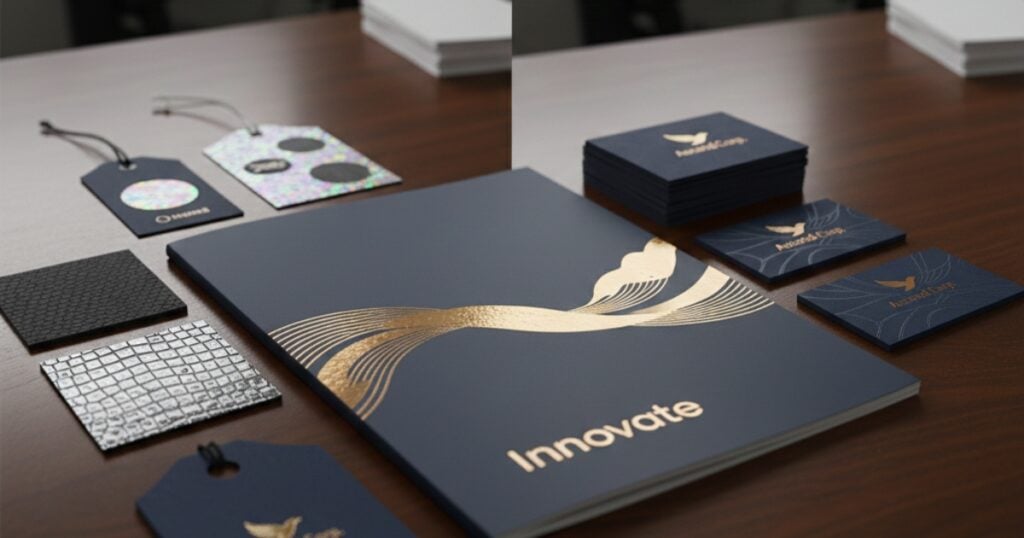
Foil adds shine and draws attention to key elements of your design. It can be metallic, matter, holographic, or coloured. Gold and silver are the most recognised choices, but foils come in a variety of shades to suit both modern and classic looks. Foil works best when applied sparingly to highlight a logo, business name, or short headline. Overuse can make the design look cluttered and distract from the message.
Spot UV
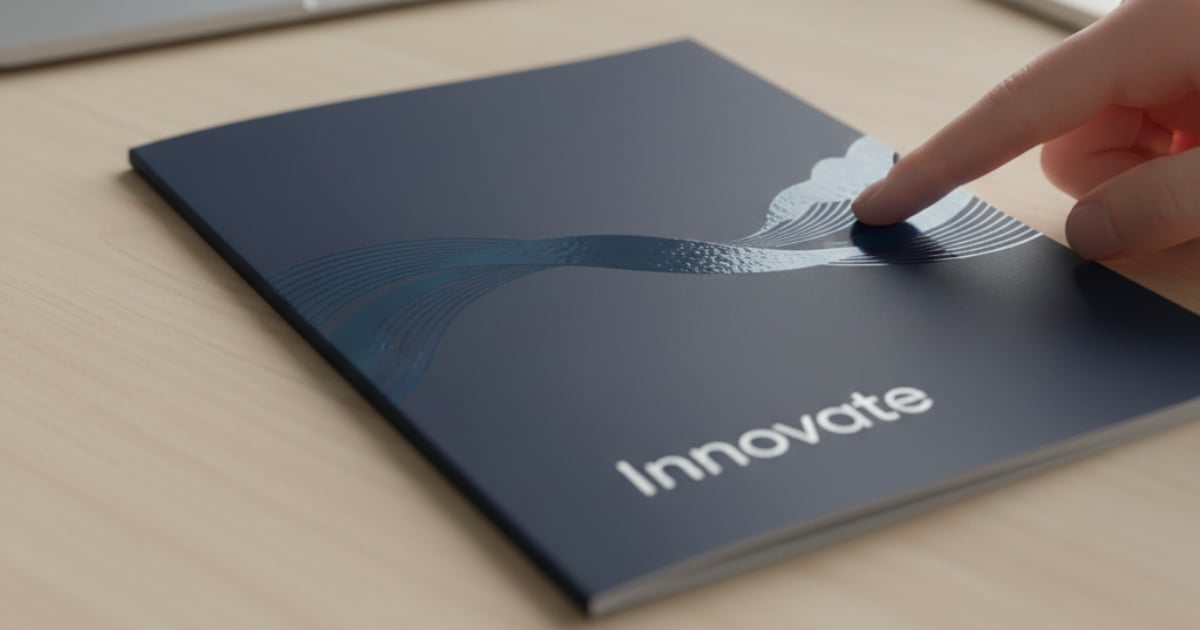
Spot UV adds gloss to selected areas rather than the entire piece. It highlights textures, patterns, or key elements, catching the light and giving depth to your design. Spot UV is particularly effective when applied over a matter background, creating contrast and visual interest without being overpowering.
Other specialty finishes
Other options include embossing, debossing, textured stock, soft touch coating, and raised varnish. These finishes provide tactile appeal and elevate the perceived quality of a print piece. They work well when you want to convey sophistication or luxury without relying solely on shine.
When to Use Premium Finishes
Premium finishes are most effective when they serve a clear purpose. They can help your materials stand out at events, reinforce a luxury brand, or signal quality to clients. Here are some situations where these finishes genuinely add value.
Lifting your brand presence
If your brand positions itself as premium, creative, or boutique, finishes like foil and spot UV can reinforce that perception. Business cards, letterheads, or product packaging gain weight and presence with these touches. People notice the difference when holding a card with a foil logo or a glossy raised pattern, as it signals attention to detail.
Making a strong first impression
Materials such as brand launch kits, capability statements, pitch packs, invitations, and event collateral benefit from elevated finishes. These items introduce your brand to clients or prospects, so adding foil or spot UV can make the design more memorable.
Complementing clean designs
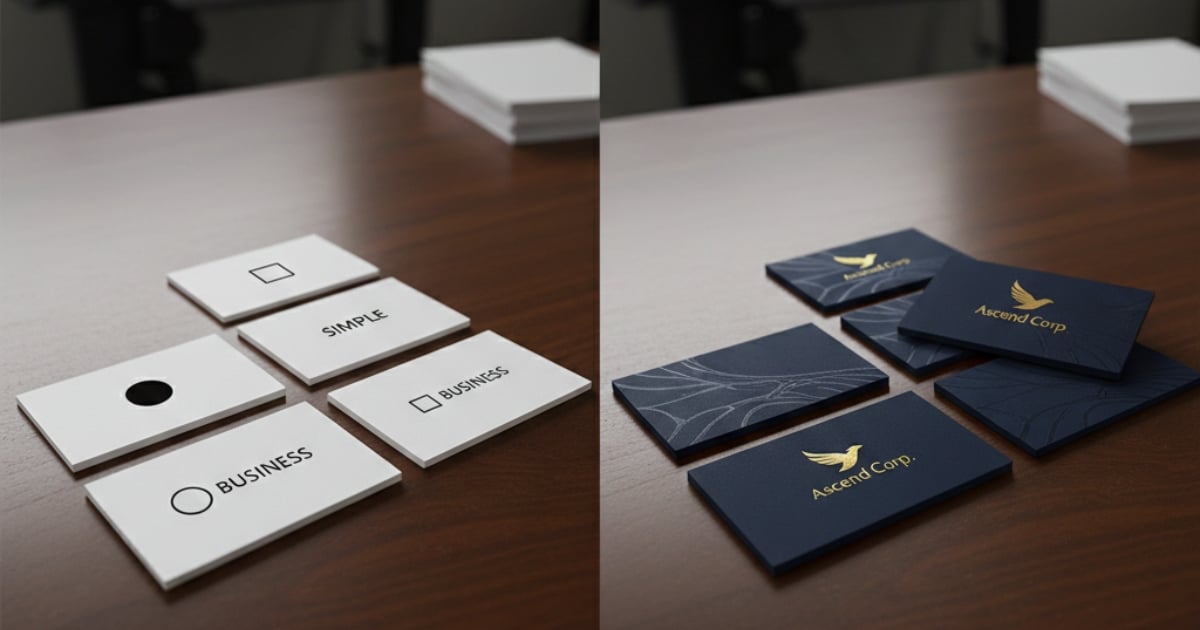
Premium finishes are most striking with layouts that have space to breathe. Minimalist designs with bold elements are ideal for foil or spot UV. Foil works particularly well on logos or short text, while spot UV can emphasise shapes, patterns, or branding elements on matter backgrounds.
Emphasising key information
Highlighting a headline, product name, or logo can help guide the reader’s attention. Premium finishes draw the eye to these details and ensure that important information stands out. This can be especially useful in brochures, direct mail, and promotional materials.
Adding tactile appeal
Some finishes, such as embossing, debossing, or soft touch coatings, create a physical experience. When clients handle a piece, they feel the quality of your brand. This sensory experience can leave a stronger impression than visuals alone.
When to Avoid Premium Finishes
Premium finishes are not always the best choice. They add cost and complexity, and sometimes they can detract from the design. Here are situations where simpler options may be more effective.
Overly busy designs
If your layout already has a lot of text, images, or patterns, adding foil or spot UV can make it feel crowded. In these cases, clarity is more important than embellishment. High-quality paper and strong typography often achieve a polished result without additional effects.
Short-term materials
Flyers, handouts, price sheets, and temporary promotional items do not usually benefit from premium finishes. These pieces focus on communicating information clearly and cost-effectively. Saving foil or spot UV for materials that are intended to last or impress can make better use of your budget.
Unsuitable paper stock
Premium finishes perform best on thick or high-quality stocks. Thin or low-grade paper may not hold foil properly, and spot UV can peel or crack. For finishes to look professional, pairing them with a sturdy, well-chosen stock is essential.
Budget constraints
Premium finishes add production steps and increase costs. If your priority is staying within a strict budget, investing in clean design, strong paper choices, and simple printing techniques often delivers excellent results without the added expense.
Choosing the Right Finish
Selecting the correct finish starts with understanding your purpose. Ask what the print needs to achieve. If your goal is to impress, elevate your brand, or support a high-value product or service, a specialty finish can be worth the investment. If the aim is functional or informational, simple print often works best.
Consider your audience. Clients in luxury markets, consultancy, real estate, legal services, or creative industries often expect premium finishes. Trades, community groups, or everyday service providers may not require these finishes unless the goal is rebranding or a special campaign.
Limiting your choices
When in doubt, less is more. Choosing one finish rather than combining several often yields a cleaner, more sophisticated result. A single foil highlight or a subtle section of spot UV usually makes more impact than multiple layers of effects.
Consulting your printer
Once you have a concept, discuss stock options, finish placement, and artwork setup with your print provider. Their experience can ensure that the finish complements the design, performs well in production, and meets your quality expectations.
Checking real examples
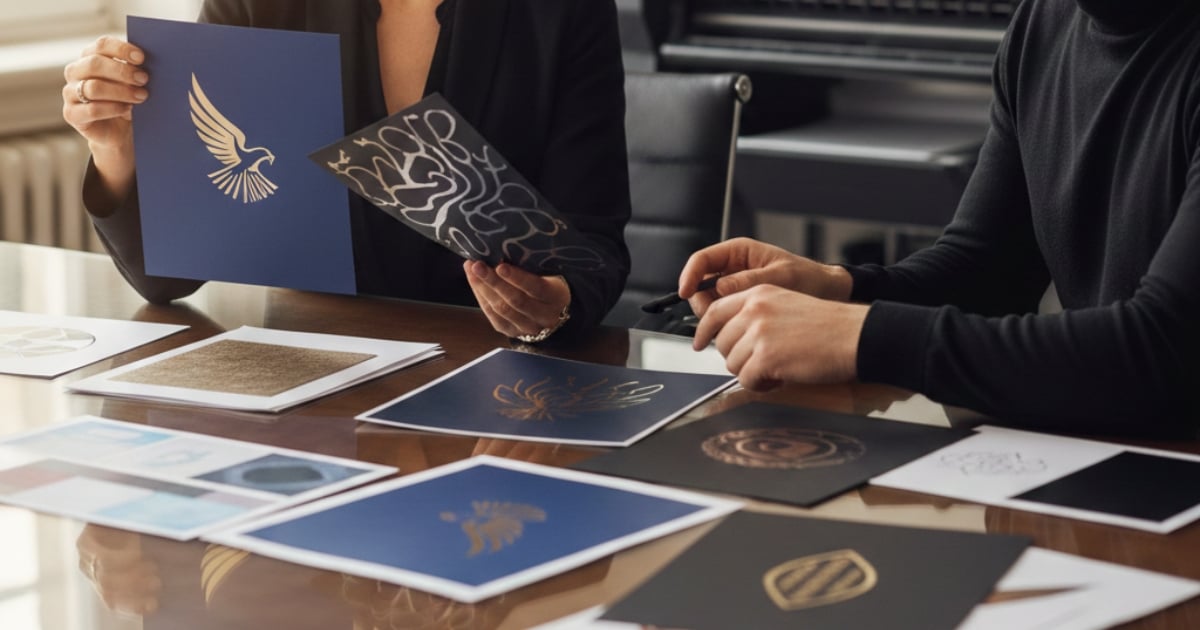
Seeing examples of premium finishes in use helps visualise how they will look in your project. Business owners can reference capability pages from established printers to compare foil, spot UV, and textured finishes in action. This practical insight helps make confident decisions without overcomplicating the process.
FAQs
Do foil and spot UV work on all paper types?
No. These finishes work best on thicker stocks. Light or low-quality papers may warp or crack.
Will adding a premium finish delay production?
It can add time due to extra steps. Always factor in lead time when planning your project.
Can I combine foil and spot UV?
Yes, but only if the design supports it. Usually, a single finish has more impact.
Does spot UV show fingerprints?
Gloss surfaces can show fingerprints, but they can be wiped clean easily.
What if I am unsure which finish is right?
Request samples from your printer. Handling different finishes makes it easier to decide.
Next Steps For Your Project
Choosing the right premium finish can be straightforward with a practical approach. Consider your purpose, audience, design layout, and budget. Start with one effect, focus on key elements, and let the finish enhance rather than overwhelm.
For guidance and examples of foil, spot UV, and specialty finishes in action, reviewing Jennings Print’s capability pages provides real-world insights. This helps you see what works for different applications and makes it easier to plan your next print project confidently.
If you are ready to elevate your materials and ensure your print makes an impression, check the latest insights and advice at latestprintingnews.com.